

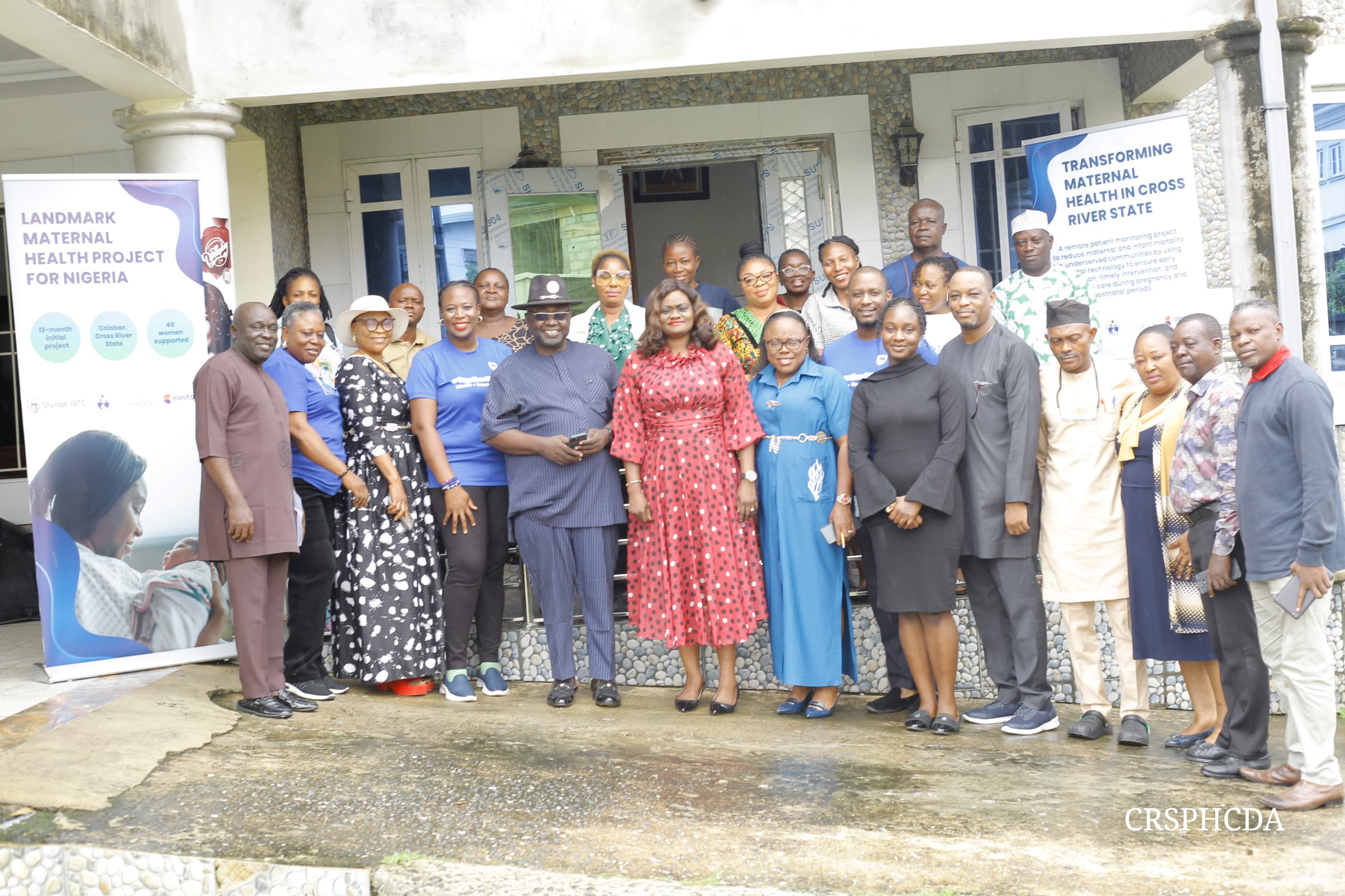
Transforming maternal healthcare in Nigeria
Pregnant women from both rural and urban communities in Nigeria now have enhanced access to antenatal care, helping to identify early signs of risk and complications to help improve maternal health outcomes.
Nigeria records some of the highest maternal and infant mortality rates in the world. For many women, access to timely, quality care is limited by distance, cost, and overstretched health services. As a result, pregnancy-related complications are often detected too late, and too many births take place without the right clinical support when it matters most.
This pilot was created to change that path by encouraging earlier clinical intervention, strengthening trust between women and their healthcare providers, and supporting safer choices when higher-risk care is needed. By helping expectant mothers connect with the right care at the right time, we aim to improve outcomes for both mothers and newborns and reduce preventable loss of life.
Maternal healthcare in Nigeria remains a major challenge, with too many women and babies still at risk during pregnancy and childbirth.
How does the project work?
One of the benefits of Clinitouch is its flexibility in how you deploy it, and that's exactly what this project has used to its advantage. Read more below about the foundations of this project and how it works.



.jpeg)
Project aims & objectives
This first-of-its-kind project will provide pregnant women and new mothers with consistent, accessible healthcare throughout all four trimesters, and aims to:
- Reduce the effects of barriers in seeking care for pregnant women
- Improve pregnancy outcomes
- Facilitate early identification of high-risk pregnancy
- Empower women with greater health literacy and confidence

Project results so far
Three months on, we’re starting to see encouraging signs of impact. It’s still early days, but these insights are already helping us refine our approach and build the case for scaling this model across Nigeria.
Improving maternal and infant health will take persistence, collaboration, and continued investment — but we’re motivated by what’s emerging.
"The early results from this 40-mother pilot show that digital monitoring can fit naturally into routine maternal care, in both urban and rural Nigerian contexts.
"It’s a clear signal that technology, when introduced with the right training and local engagement, can lift pressure off health teams while giving mothers more consistent, reliable support.
These first few months have shown that remote monitoring doesn’t replace human care. Instead, it strengthens it by helping teams act earlier, spot risks more easily, and stay connected to women who might otherwise struggle to access services."
Babafemi Ehindero, Project Champion at Utopian Consulting Ltd
"The early results from this 40-mother pilot show that digital monitoring can fit naturally into routine maternal care, in both urban and rural Nigerian contexts.
